The Mistake Almost Every Home Cook Makes With A Dull Knife (And The 30-Second Fix A Knife Shop In Japan Hands Its Customers)
Most kitchen knives in America have been dull for years. Nobody ever showed us how to fix that. One family knife shop did, in a way that takes thirty seconds.

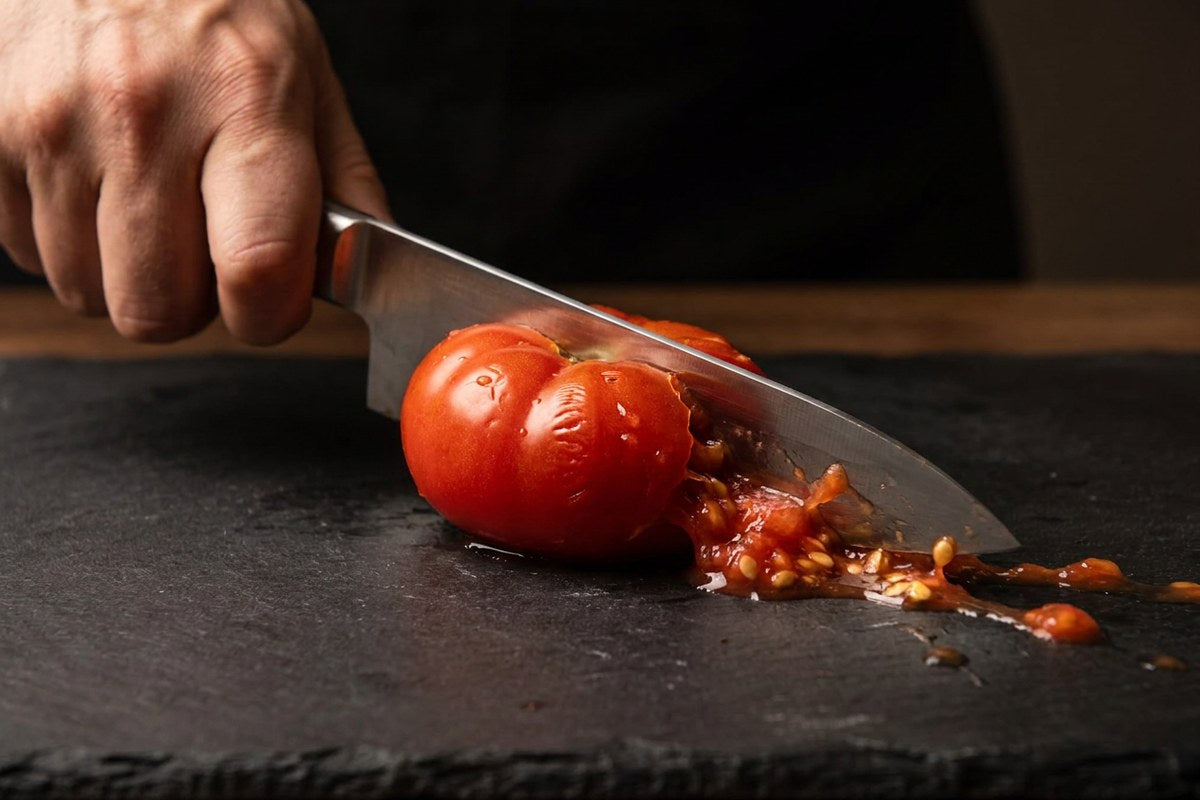
Take the knife you use most and try to slice a tomato without pushing down.
If the skin folds before it opens, the knife is dull. It has probably been dull for years.
That is not a small thing. A dull knife needs force, and force is what slips. Most kitchen cuts happen with a dull knife, not a sharp one.
Almost nobody sharpens their knives. Not because they do not care. Because nobody showed them how, and the things they tried made it worse.
Why nobody sharpens anymore.
Fifty years ago there was a sharpening stone in most kitchen drawers, and somebody in the house knew how to use it.
That somebody is gone, and the stone turned out to be the problem.
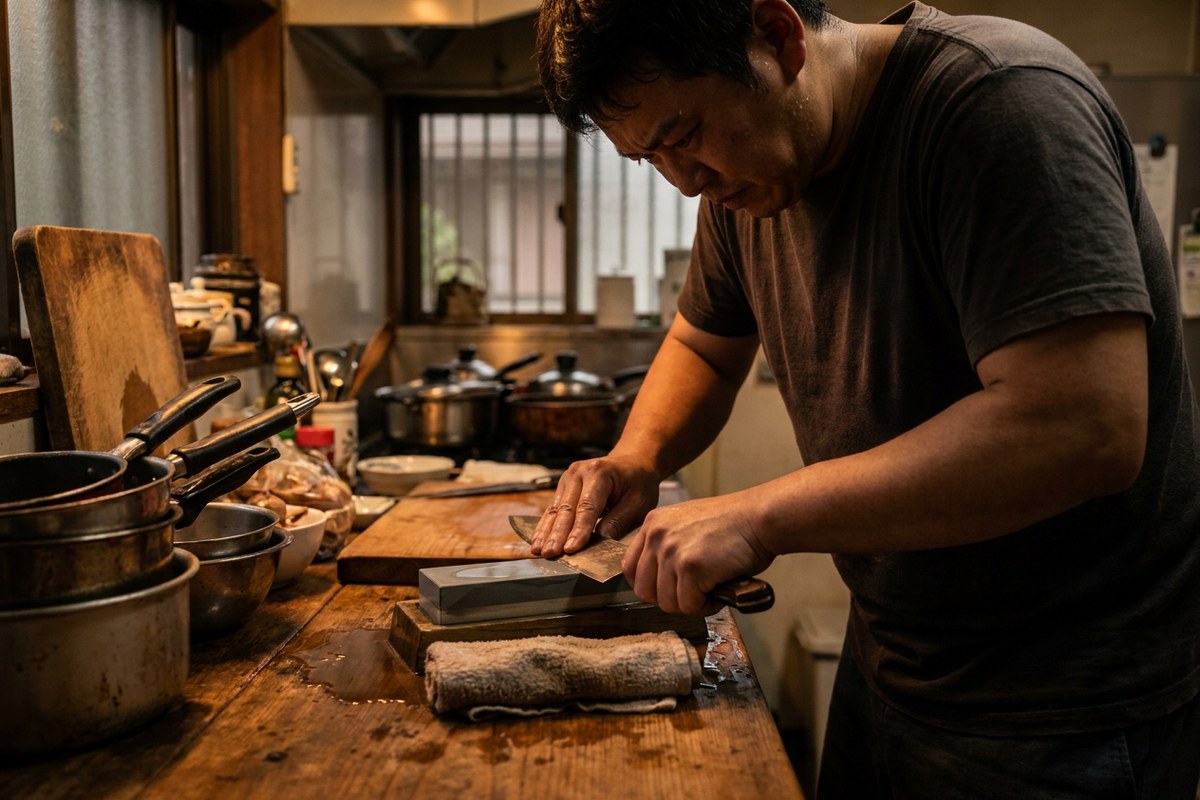
A stone is a great tool used by many professionals. But most home cooks do not want to spend twenty minutes hunched over one just to cook dinner.
Even worse, it is a real skill, and the learning takes years. Get the angle wrong, lose your consistency, and you will end up with a knife worse than when you started.
It is more of a hobby than something designed to be practical.
👉 See what the shop hands people instead
The gadgets make it worse.
So people bought what the store sold.
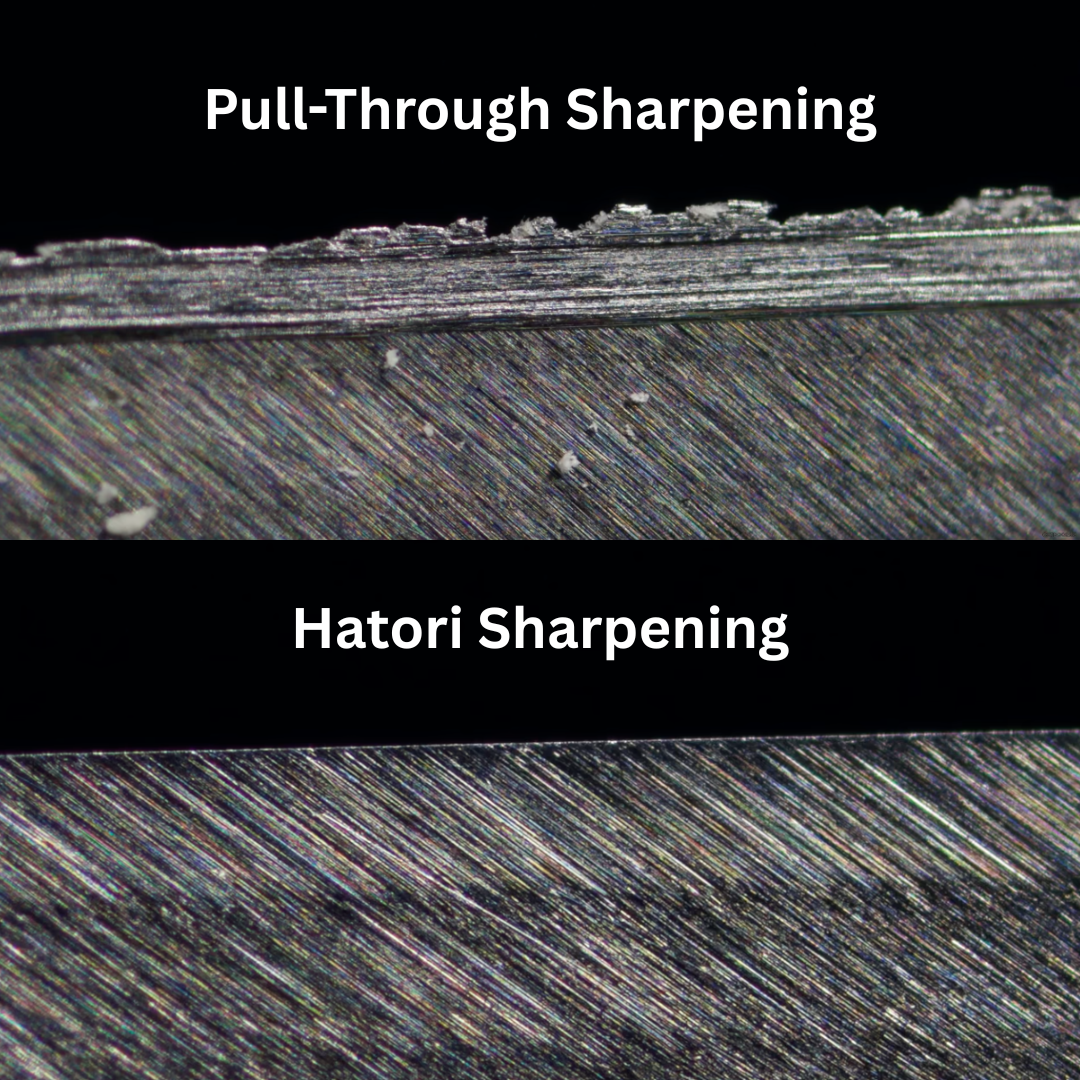
The little plastic sharpener with a slot. You drag the knife through it. It works by tearing metal off both sides of the edge, so it feels sharper for about a week and then cuts worse than before.
The electric one. It grinds, it heats the steel, and it takes more knife than it needs to, every time.
Or the man at the market who sharpens for cash. Two weeks without your knives, and they come home sharp for about a month.
Every one of these is a fix that wears off. That is why the drawer fills up with knives you stopped using.
What a knife shop in Japan hands its customers instead.
Hideo Tanaka runs a knife shop in Sakai, the city near Osaka where most of Japan's kitchen knives are made. His grandfather opened it.
For thirty years he sold stones. Then he stopped, for home cooks, because too many came back with a worse knife than they left with.
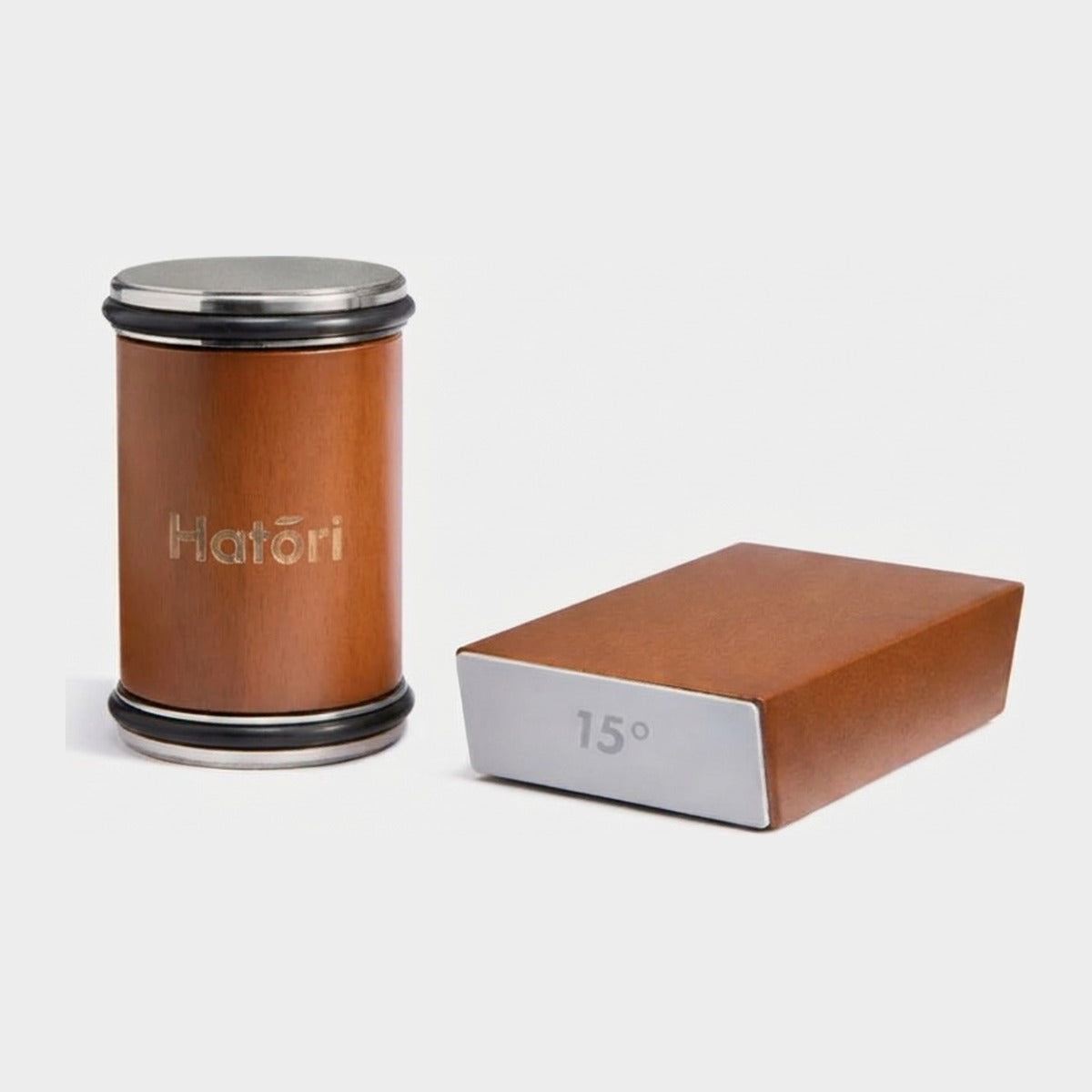
What he hands them now sits by the till. It is called the Hatori rolling sharpener.
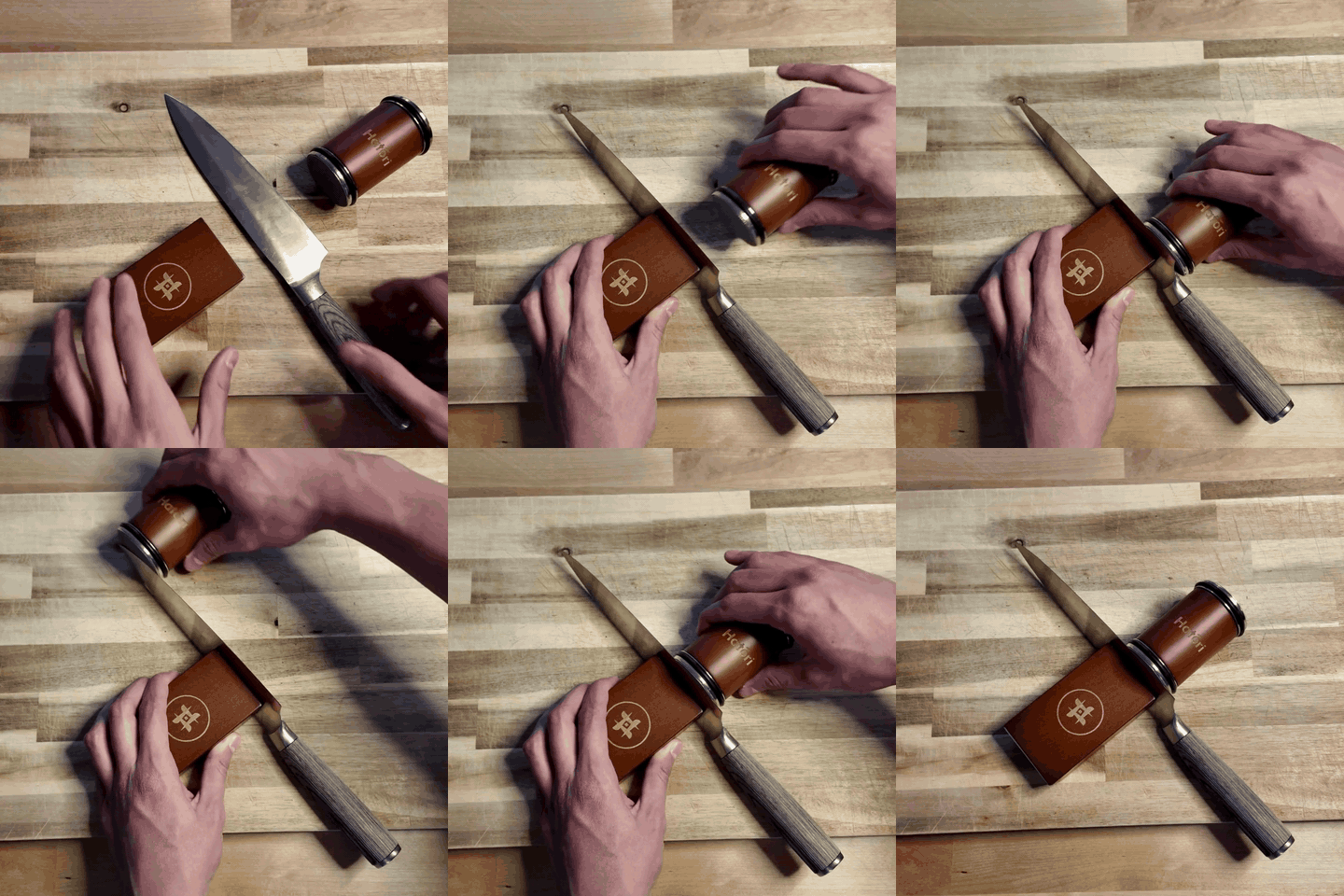
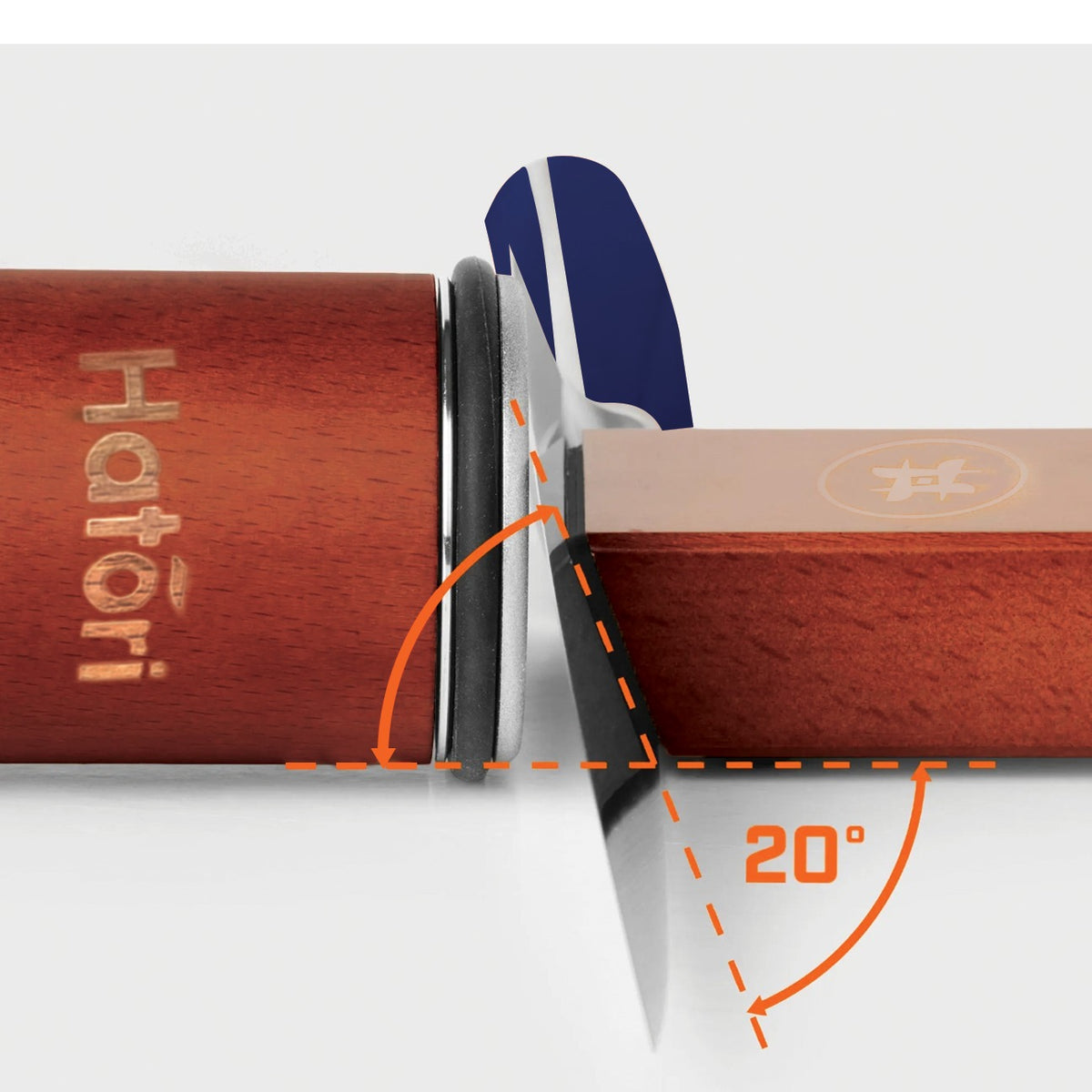
There are two parts: a small hardwood block with a magnet inside, and a wooden roller with a diamond disc on the end.
- The knife sits against the block, and the magnet sets the angle for you. That was always the hard part, and now it is done before you start.
- The roller runs along the edge. The disc is industrial diamond, harder than any knife steel, so it takes a clean, even line off with almost no pressure.
- Flip to the polishing side and roll once more. Thirty seconds, start to finish.
Why it works when nothing else did.
Everything that failed before asked your hands to hold an angle. The block holds it for you.
That is the whole difference, and it is why a ten-year-old gets the same edge Tanaka does.
The diamond is the other half. A stone wears down and needs flattening. Diamond stays flat and stays sharp for years.
Try it tonight.
Two tests, before and after.
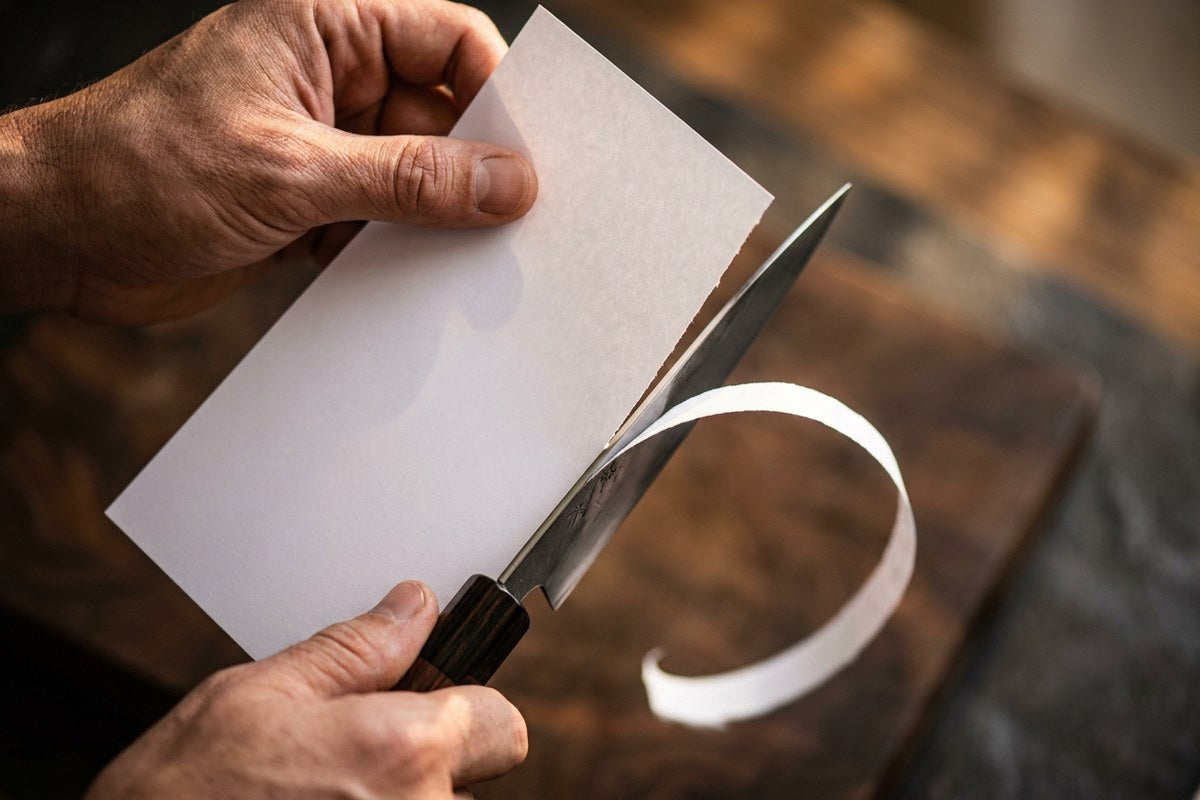
Hold a sheet of printer paper by one corner and cut down through it. Sharp slices clean; dull folds it.
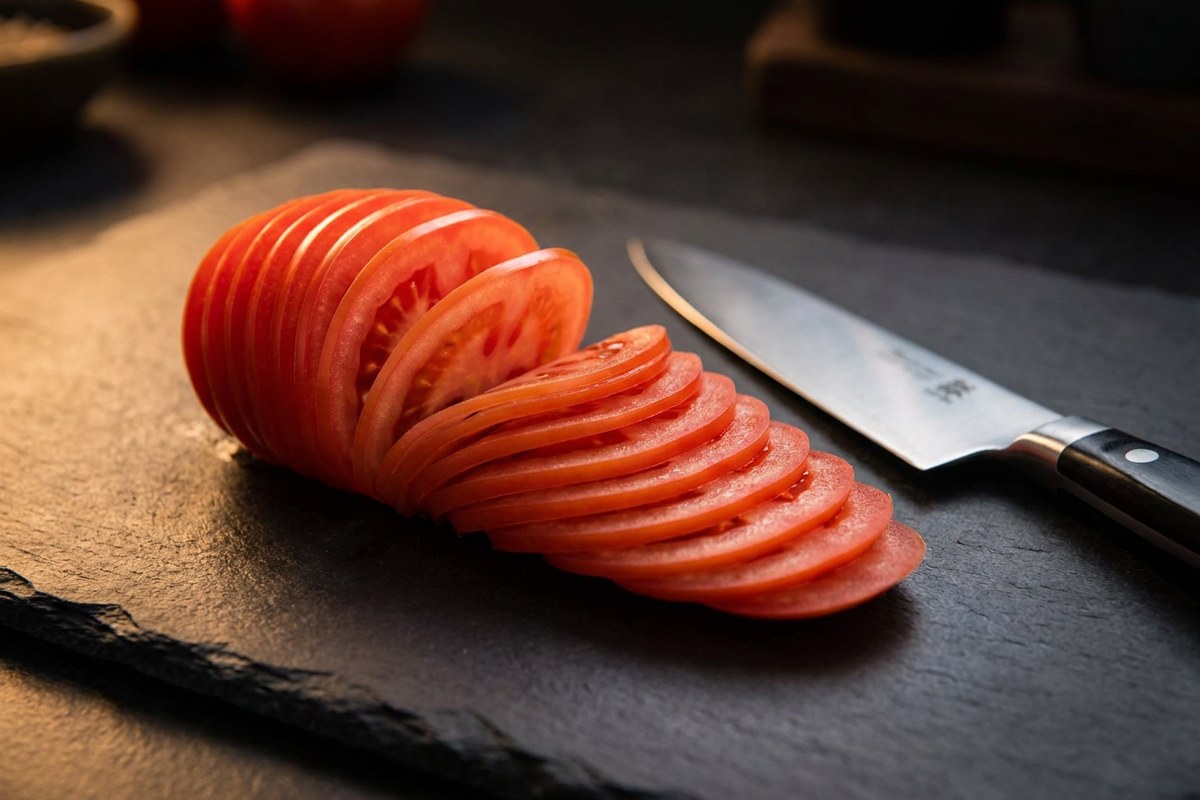
Then lay the edge on a tomato and pull, with no pushing. Sharp opens the skin under its own weight.
The difference is not subtle.
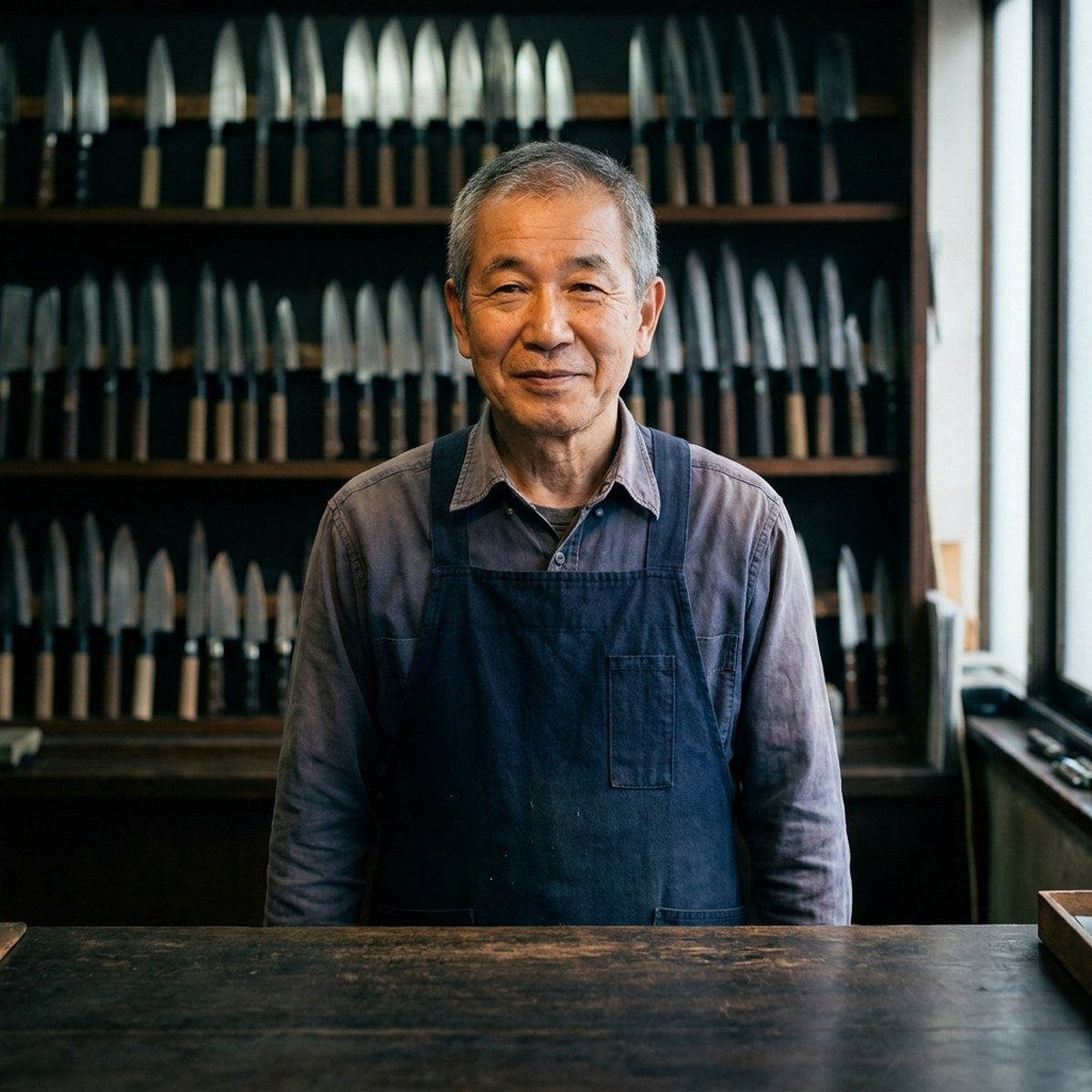
"I sold stones for thirty years. I still keep one for myself. Everyone else gets the roller, because I would rather they cook with a sharp knife tonight than practise for a year."
— Hideo Tanaka, Tanaka Hamono, Sakai
Made in Japan
Every knife in the drawer, sharp again in thirty seconds
Any knife, no skill. Sixty days to try it on every knife you own; if it does not change how you cook, send it back for a full refund.
CHECK AVAILABILITY4.7/5 · 100,000+ kitchens · Free US shipping
Recommended
Hatori Rolling Sharpener
6,000+ customer ratings
By feature
60-day money-back guarantee · Free US shipping
What people say

"Had a stone in the cupboard for six years and used it twice. This gets used every Sunday."
Robert M., Denver CO

"My chef's knife went through a tomato under its own weight. I did the paper test three times because I did not believe it."
Anita R., Raleigh NC

"Thirty seconds is not a marketing line. I timed it."
Greg P., Portland ME
Questions people ask
Does it work on my knives?
Any straight-edged kitchen knife, from a paring knife to a cleaver. The magnet holds the blade; the block sets the angle.
How often do I use it?
Once a month for most kitchens. The polishing side between meals keeps the edge going.
Will it wear out?
The disc is diamond. It outlasts the knives.