The Hands Behind Every Hatori Roller: A Life of Wood and Steel
He learned the trade from his father, nearly lost the workshop twice, and still finishes every roller himself.
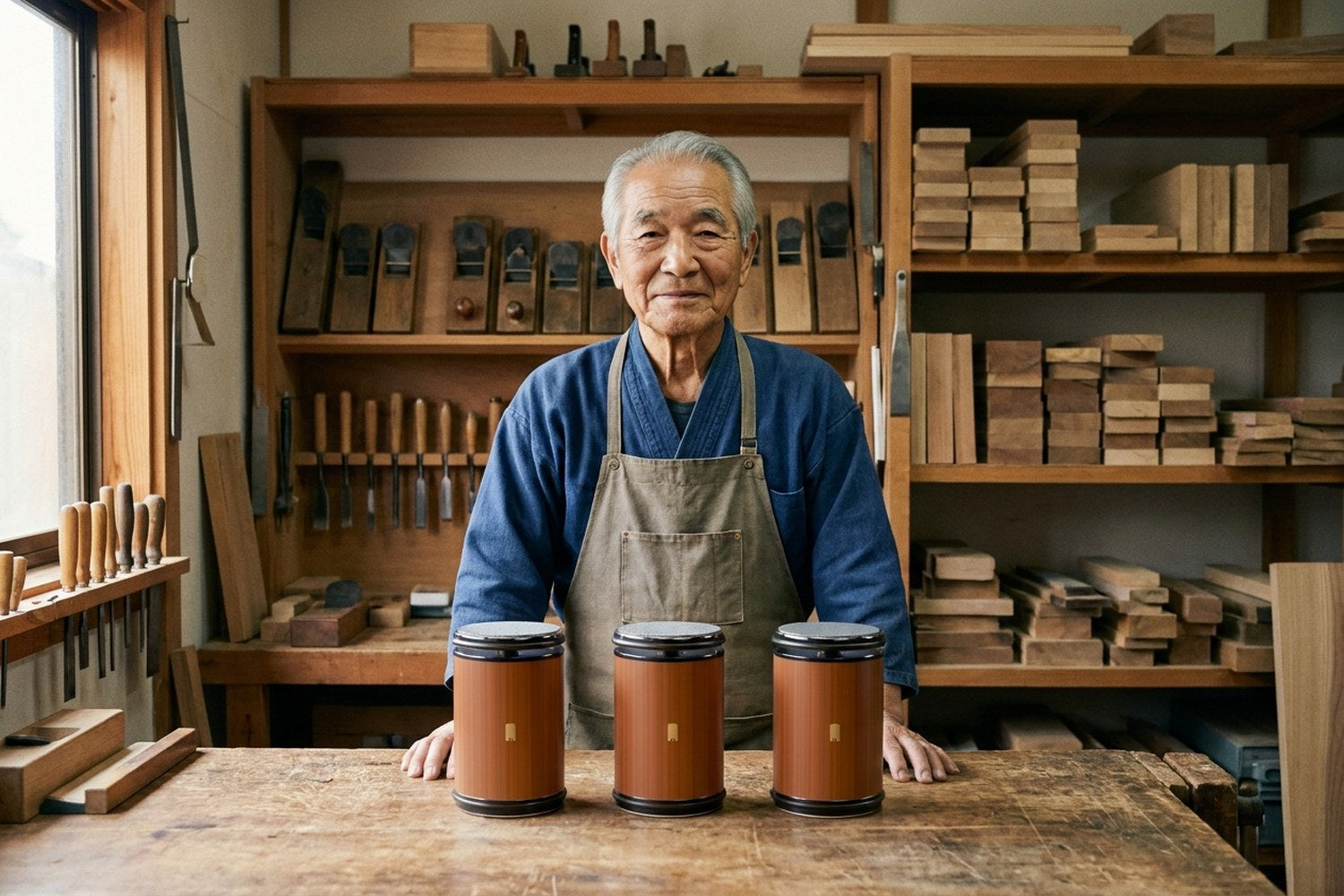
Born Between Wood and Steel
Masao was born in 1951, in a small town where half the men worked wood and the other half worked steel.
His father turned handles and tool bodies on a foot-powered lathe in the back room. His mother kept the order book at the front and wrote every customer's name by hand.
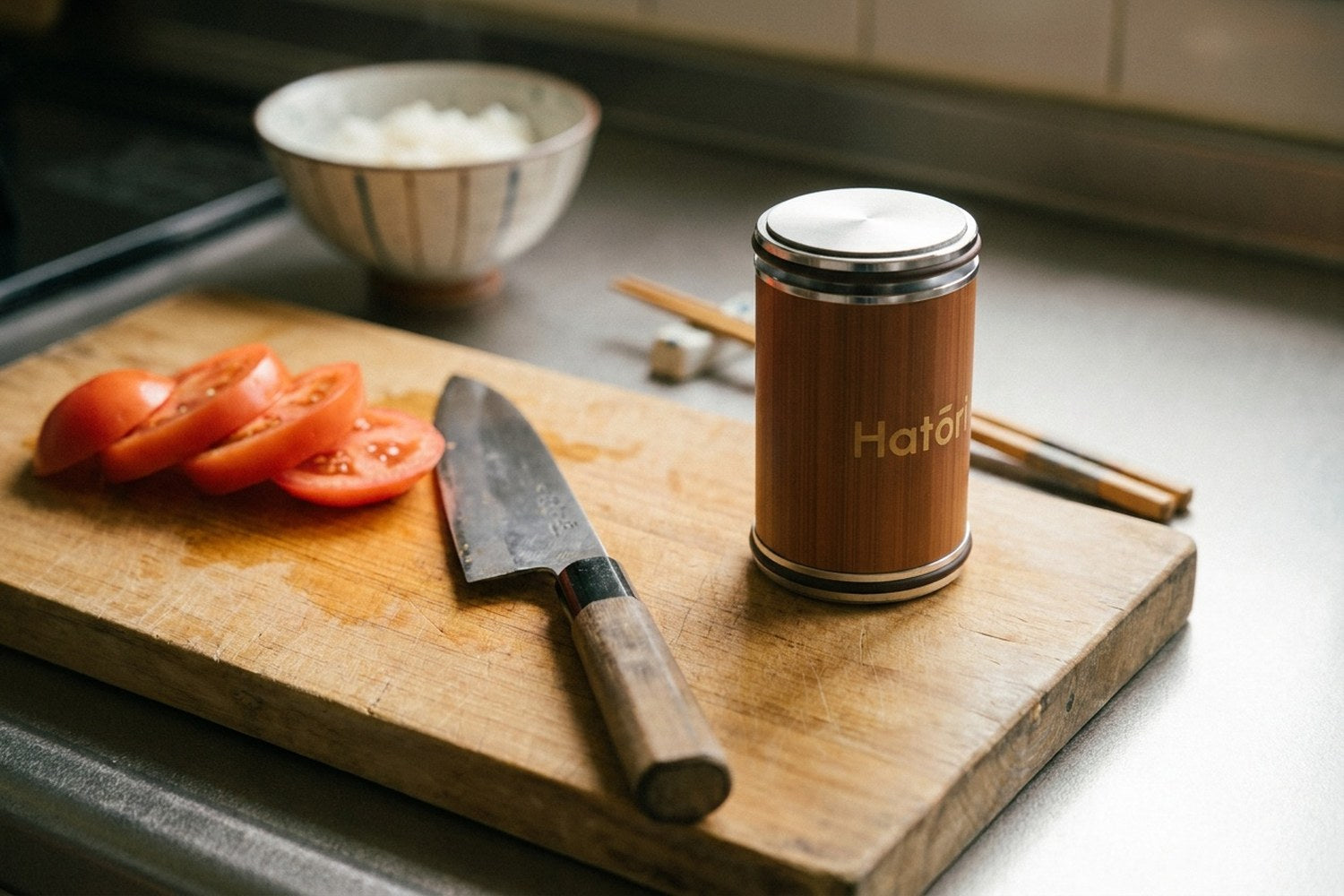
There was one kitchen knife in the house. It was older than Masao. Every Sunday his father took it to the stone by the sink, and every Monday it fell through a tomato like it was nothing.
It was not a rich life.
But every tool in it was kept, never replaced.
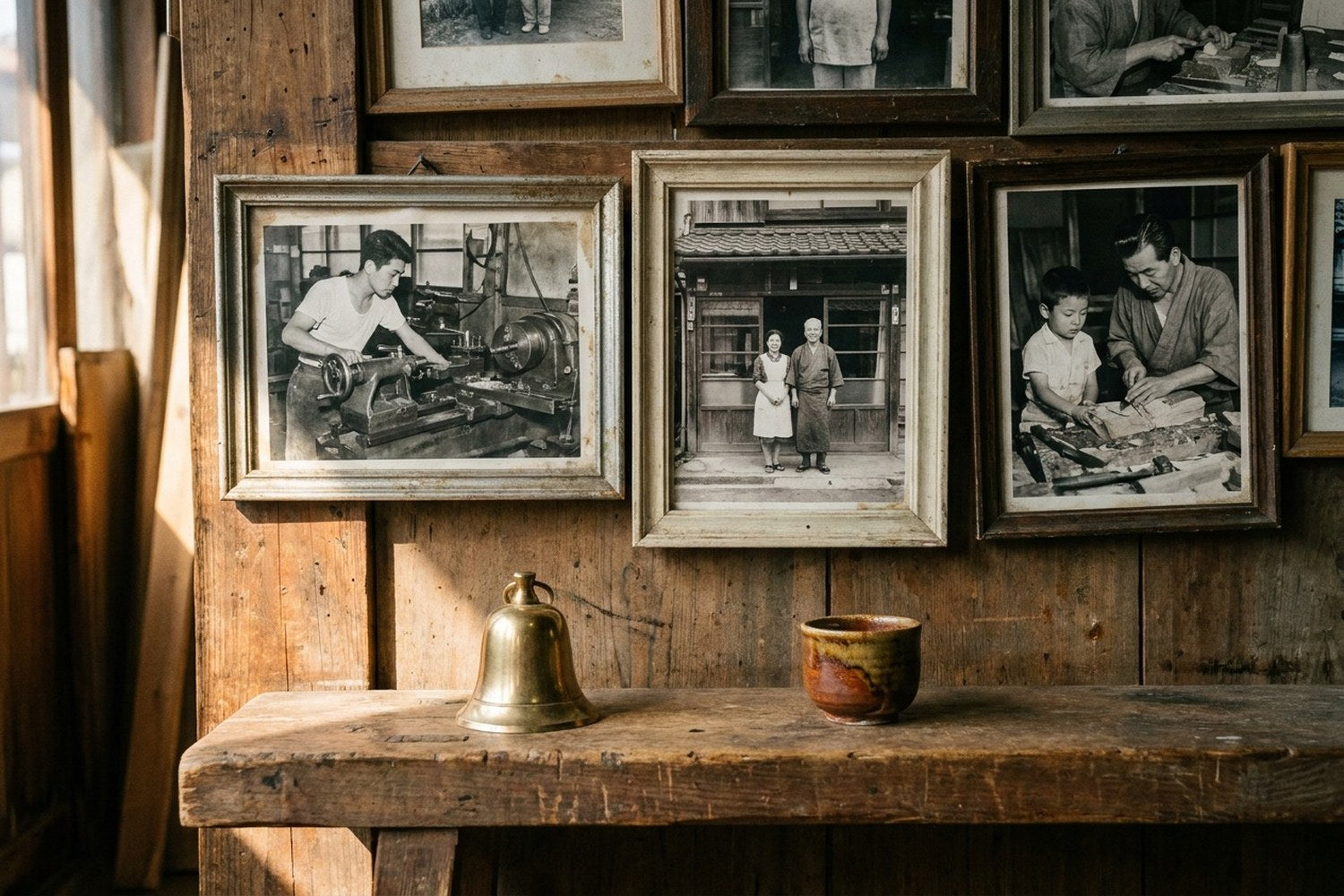
The First Piece He Finished
As a boy, Masao spent more afternoons in the back room than anywhere else.
He learned the sound a chisel makes when the wood is ready. At sixteen, his father finally let him finish a piece on his own. A plain wooden handle.
It was uneven. The sanding took him all afternoon.
His father put it on the shelf anyway. That same week, a customer bought it.
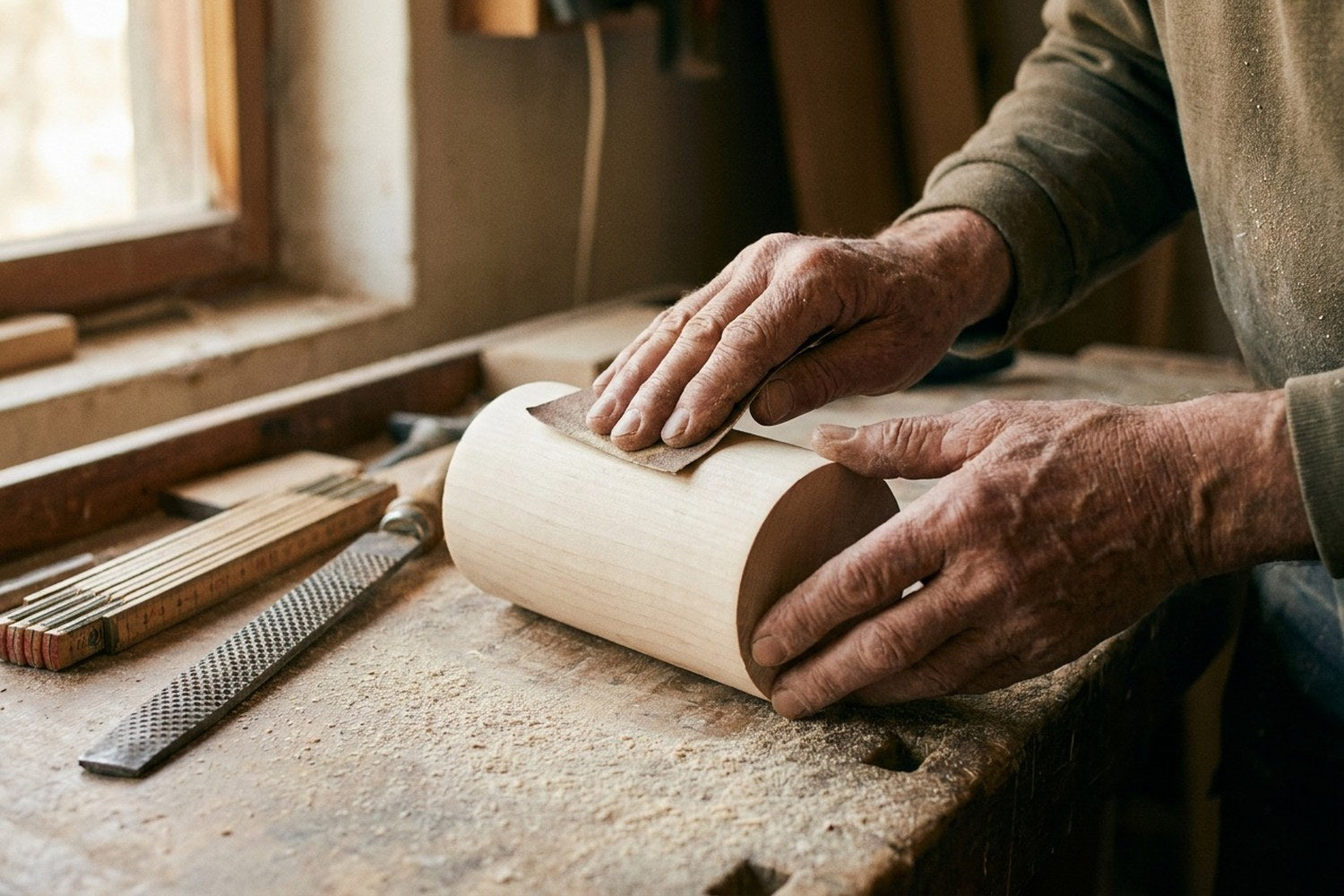
From the workshop
The Hatori Roller, 60% Off the Current Run
Finished by hand, checked one at a time, and on sale across the whole store right now. Free shipping in the US and sixty days to try it on your own knives.
SEE THE HATORI ROLLER →60-day money-back guarantee · Free US shipping
“As a former butcher for 35 years, I was looking for an alternative to sharpening my knives with a steel. This sharpener has exceeded my expectations. My knives are sharp and cut through meat like butter!”
Rose, US · Verified buyer
The Question at the Kitchen Table
By the time Masao had the workshop, the stone by the sink had disappeared from most Japanese homes too.
His daughter could not use one. Her friends could not either. Sharp had become a skill, and nobody under fifty had it.
One evening his wife asked him a simple question over dinner. Why does a sharp knife have to be a skill at all?
He went back to the bench that night. A block of wood with two magnets set into it, so the knife would stand at the right angle by itself. A roller turned from an offcut, so the hand only had to roll.
Two angles. Fifteen degrees for the Japanese knives in the drawer. Twenty for the Western ones his son-in-law brought home.
The first one was ugly. It worked on the first try.
The Workshop That Almost Closed
Word spread the slow way. A neighbour. A cousin in Osaka. A chef who bought three.
Then a factory came with an offer. They could make it in a week, in plastic, for a tenth of the cost, and put his name on the box.
Masao said no. Twice.
The year after that was the hardest the workshop had seen. Orders came faster than two hands could finish them, and a man who refuses the factory has only his hands.
He did not close. He hired one apprentice, then a second, and taught them the way his father had taught him. Slowly. By hand.
Why Each One Still Passes Through His Hands
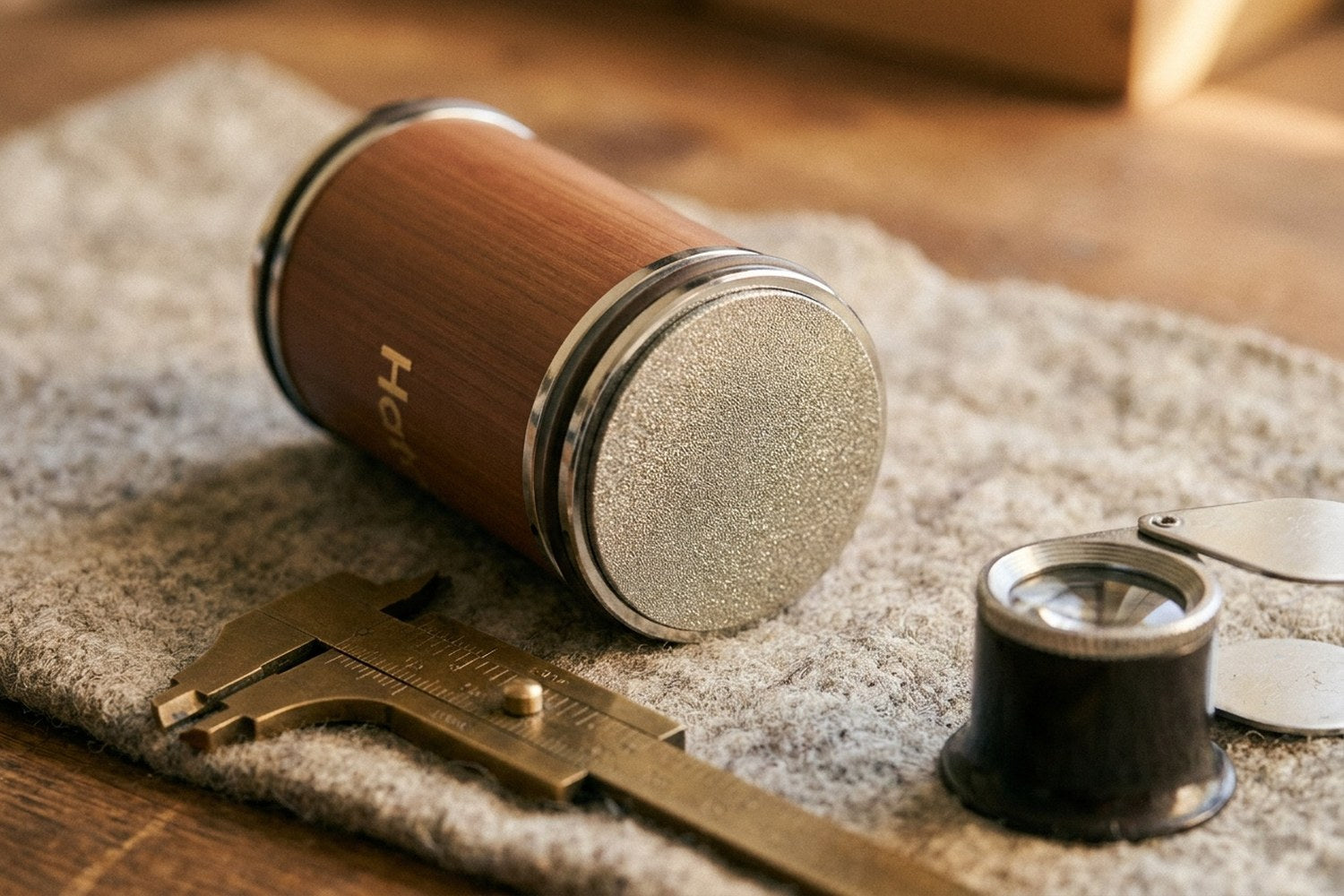
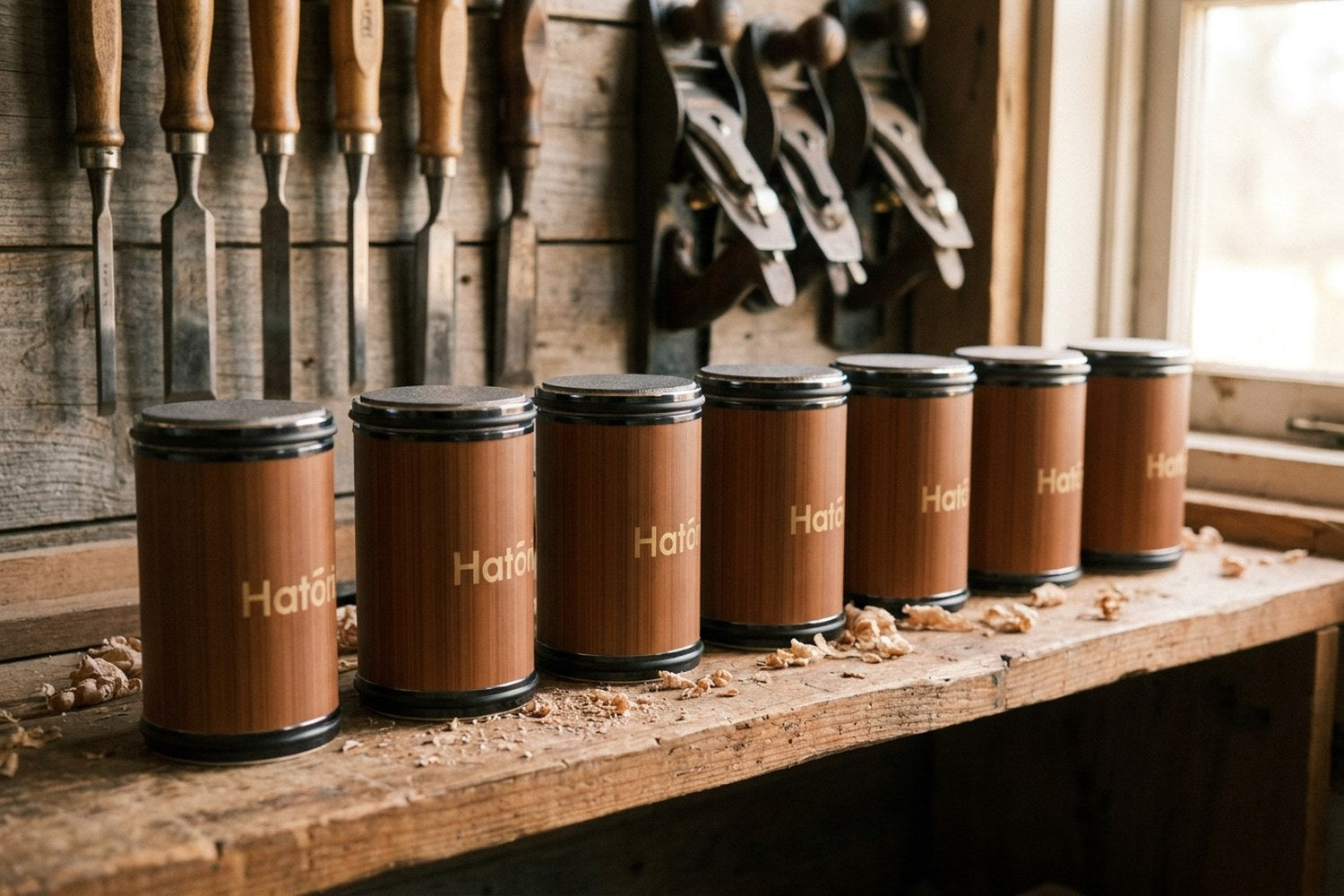
Every Hatori roller is carefully crafted by hand. That is not a slogan on a box. It is a bench, a loupe and an old man's thumb.
The body is turned from solid wood and sanded until the grain closes. The steel caps are seated by hand. The diamond disc on each end is checked under the loupe for a clean, even grit.
Then Masao does what his father did every Sunday. He takes a dull kitchen knife, stands it against the magnetic base, and rolls. A few passes on the coarse end. A few on the fine end.
If the tomato does not fall open, the roller goes back to the bench.
That is why he can only finish so many in a week. And it is why the one on your counter will outlast the knives it sharpens.
👉 See today's offer on the roller
The Sale He Did Not Ask For
This autumn the whole Hatori store went on sale. Sixty percent off, everything, free shipping.
Masao was not pleased. A discount, he said, makes people think a thing is a gadget.
But the orders came in anyway, from kitchens he will never see. So the price stands on the current run, and he and his two apprentices are finishing it as fast as careful hands allow.
When this run is finished, the price goes back.
What His Rollers Have Given Back
The knives people were about to throw away. The whetstone in the cupboard that was used twice. The grandfather who sharpens again while the kettle boils.
Masao has never met them. But every one of their knives passed through his hands first.
Sixty percent off the current run. Sixty days to try it on the dullest knife in your drawer. If the first tomato does not convince you, send it back for a full refund.
Take a closer look
See the Hatori Roller
Sixty percent off the current run, free US shipping, and sixty days with your own knives.
SEE THE HATORI ROLLER →60-day money-back guarantee
The Hatori Roller Is On Sale
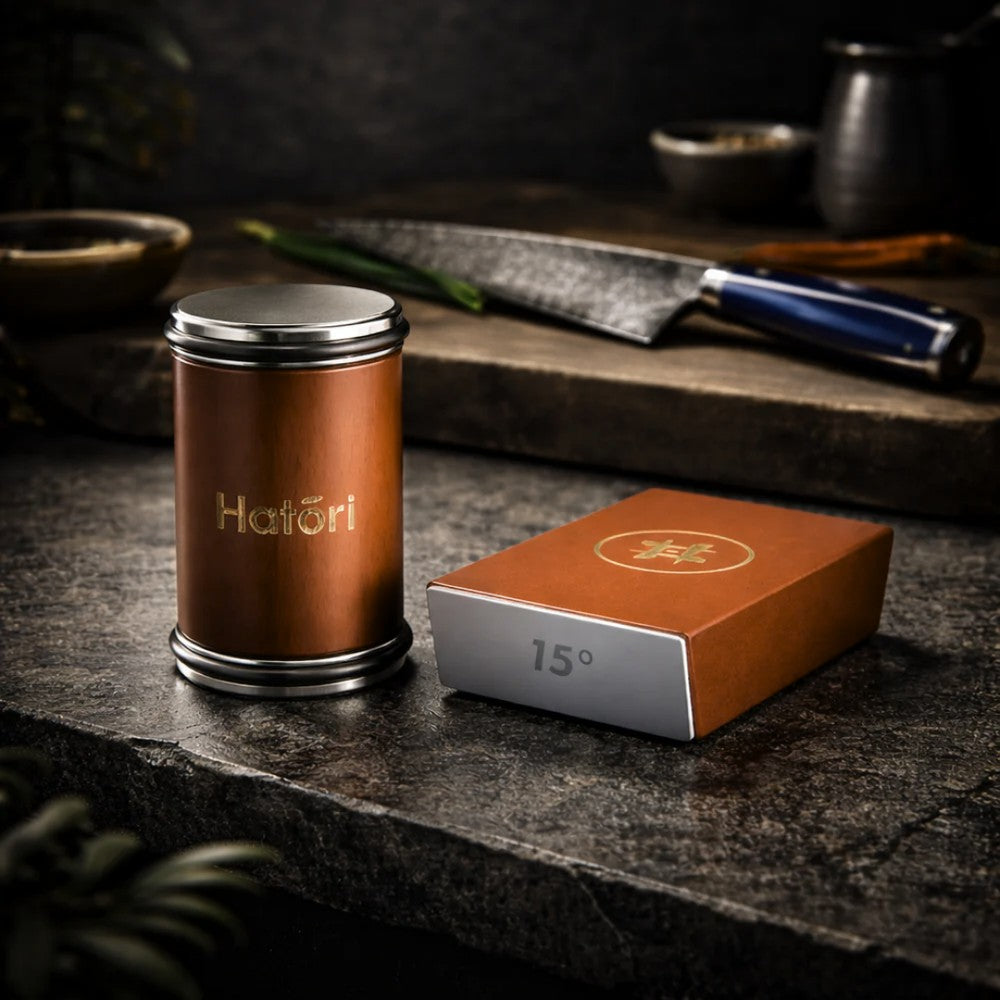
Hatori Rolling Knife Sharpener
25,000+ orders shipped
SEE THE HATORI ROLLER →Finished by hand · 60% off the current run · Free US shipping
More Than Customers. They Became Part of the Story.
I'm a retired Chef and have a lot of knives, and am very pleased with the ease and excellent results. This is a very good improvement over the way I have been sharpening.
John S., US · Verified buyer
I'm not a chef, I'm an old lady of almost 84 and I like my knives sharp. I found this equipment very easy to use and now my knives are nice and sharp. A quality product that I wish had been around years ago.
Jax C., UK · Verified buyer
My knives are over 15 years old. Professionally sharpened a couple of times. Results were OK. The Hatori was easy safe and the knives are like brand new.
Tom T., US · Verified buyer
I can shave with all my knives now! My neighbour, a chef, came round with his house knives. He's now bought one for work. I've just bought another one for my brother's birthday.
Patrick R., Stonehouse, UK · Verified buyer
Questions Readers Ask
Will it work on my cheap knives?
Yes. The magnet holds any straight-edged kitchen knife at a steady angle, and the diamond cuts fresh steel on the edge. Old knives, cheap knives, and the ones in the back of the drawer all come back.
Do I need to know what angle my knife is?
Use 15° for Japanese knives and 20° for Western knives. If you are not sure, use 20°. The magnet holds it there for you on every roll.
Is the story real?
This page is an advertisement and the workshop story and its images are a dramatization. The product, the offer, and every customer review on this page are real.